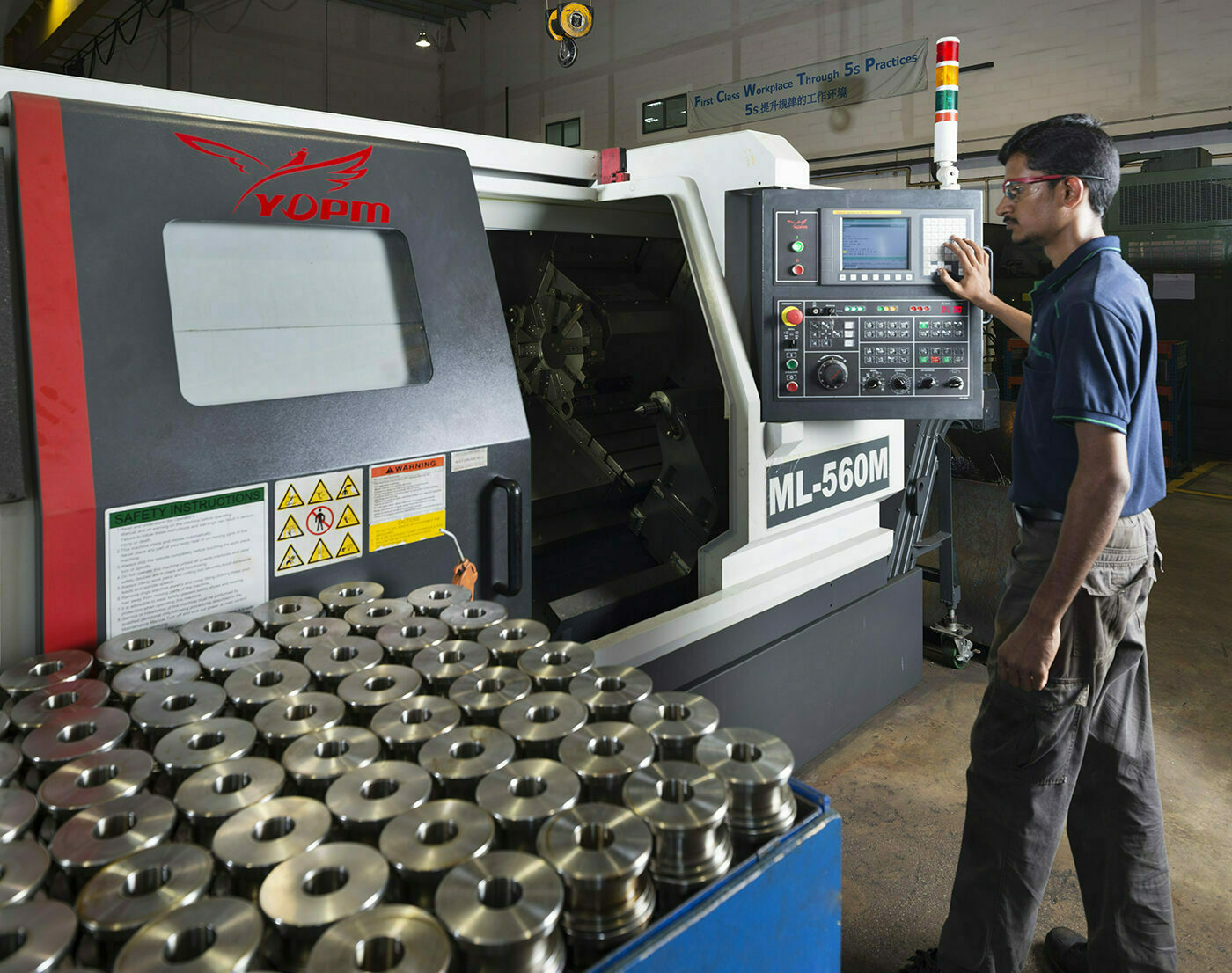
Hydraulic cylinders are the unsung heroes of countless applications across the world, quietly powering demanding operations in construction, agribusiness, manufacturing, and mineral projects. These robust industrial actuators transform pressurized liquid into precise, direct motion, raising, pushing, drawing, and aligning massive materials with accuracy and dependability. While they may look misleadingly basic from the surface, the performance of a industrial cylinder is the outcome of the seamless coordination of many core parts working in unison in complete balance. Learning these essential components and their jobs is critical for any technician working in engineering, operation, or repair of mechanical systems. Hydraulic cylinder parts
Main Elements of a Hydraulic Cylinder and Why They Function
At the core of every hydraulic unit lies the pressure barrel, a finely engineered chamber that houses the main internal components. It functions as the main body of the unit and stores the working liquid that transmits force. Because it must withstand high inside force and allow consistent movement, the inner wall of the tube is carefully polished to strict standards.Inside this tube sits the sliding disc, the mobile part that splits the inside chamber into individual fluid zones. When high-pressure oil is directed to either side of the piston, force develops and drives the component along the inside of the tube. This process is what directly delivers the controlled, straight-line movement that the system is designed to deliver. The piston’s fit and contact within the housing are essential for effective pressure conversion and reduced oil bypass.
Connected firmly to the core is the piston bar, a reinforced metal shaft that delivers the power generated within the system to the outside machinery. Whether pushing out to raise a heavy structure or pulling back to reposition a assembly, the piston bar must be incredibly tough and long-lasting. Often surface-treated or professionally finished to reduce oxidation and friction, this component ensures that the cylinder can provide reliable results under the toughest situations. Hydraulic cylinder parts
Why Learning Cylinder Elements Matters Even Than You Think
Mechanical cylinders serve a vital role in numerous industrial operations, but their output and longevity depend on the state of each inner component. Knowing the jobs of the cylinder body, disc, rod, sealing elements, and additional parts allows engineers to diagnose problems quickly, perform maintenance in advance, and support better decisions about repairs or changes. A failed rod seal might lead to liquid escape long before a piston breakdown becomes visible, and detecting this soon can save major delays and maintenance expenses.Moreover, picking the correct hydraulic cylinder for a specific task demands awareness of how these components affect power, movement management, and strength. Whether you are planning machinery for a building project, repairing field tools, or analyzing plant processes, a strong knowledge of mechanical unit design helps support maximum efficiency.
As the foundation of so numerous industrial machines, industrial actuators require careful attention. By appreciating the roles each element handles—from the durability of the drive shaft to the precision of a small O-ring—you unlock the complete power of your equipment and protect its operation for years to forward.
Find out more on - Hydraulic cylinder parts